Ramadan Start
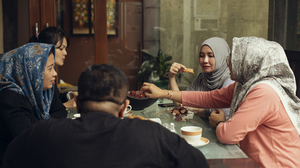
Many Muslims in Australia welcome Ramadan as period of fasting, self-evaluation and spiritual growth. Ramadan is the ninth month in the Islamic calendar.

Many Muslims in Australia celebrate Laylat al-Qadr, also spelled as Laylat al-Qadr or Shab-e-Qadr, which most likely falls on one of the last 10 days of the Islamic month of Ramadan. Also called the Night of Power or the Night of Destiny, it commemorates the night when God (Allah) revealed the Qur’an (or Koran), which is the Islamic holy book, to the prophet Muhammad (also known as Mohammad).
Laylatul Qadr (Night of Power) is not a public holiday. Businesses have normal opening hours.
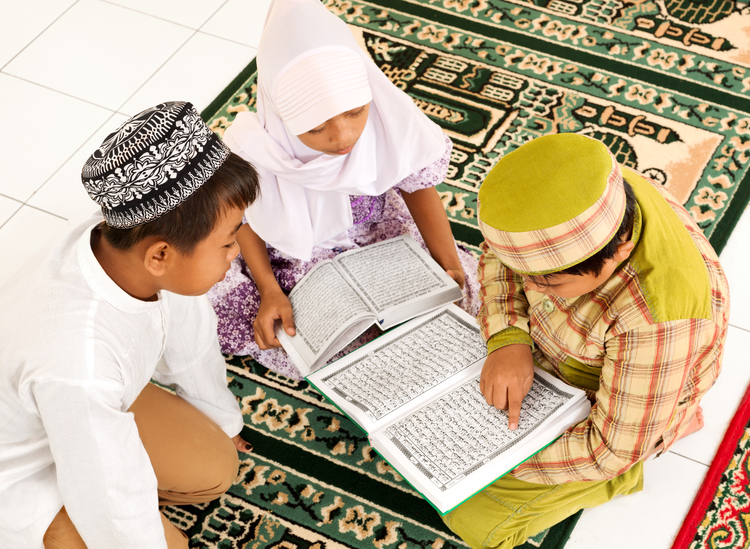
Children study the Koran during Laylat al-Qadr.
©iStockphoto.com/DistinctiveImages
Many Muslims in Australia believe that Laylat al-Qadr marks the time when the Qur’an’s first verses were revealed to the Islamic prophet Muhammed. It is also believed that this night marks their fate in the following year. Therefore, many Muslims pray in the night to God for mercy, forgiveness, and salvation. This practice is also called Ehyaa.
This "Night of Power" is considered the most appropriate time of the entire year to pray for salvation and blessings. It is believed that a Muslim’s past sins are forgiven if the person prays throughout this night. Many Muslims spend this time of the year studying and praying. Some Muslims spend the whole night praying or reciting the Qur'an.
Laylat al-Qadr is not a public holiday in Australia. However, many Islamic organizations and businesses may alter their opening hours and there may be some congestion around mosques, particularly in the evening and at night.
Laylat al-Qadr commemorates the night in 610 CE when Allah revealed the Qur’an (Islamic holy book) to the prophet Muhammad. The angel Gabriel first spoke to the prophet during that time, which marked the beginning of Muhammed’s mission. These revelations continued throughout the remainder of his life, according to Islamic belief.
Children begin studying the Qur’an from an early age and they celebrate the moment when they have read all the chapters for the first time. Many adults try to memorize the Qur’an. The common belief that this day occurred on the 26th or 27th day of Ramadan has no Islamic base. It seems to have originated in Manichaeism where the death of Mani is celebrated on the 27th day of the fasting month. This day is also known as the Night of Power or the Night of Destiny.
There is a difference of opinion about the date for Laylat al-Qadr but, in general, it is agreed that it is most likely to be in the last 10 nights of Ramadan, with the odd nights being more likely. Of the odd nights, the night of the 27th (which is the night before the 27th of Ramadan, as the Islamic day starts with nightfall) is most likely, according to many Muslim scholars.
Note: Regional customs or Moon sightings may cause a variation of the date for Islamic holidays, which begin at sundown the day before the date specified for the holiday. The Islamic calendar is lunar and the days begin at sunset, so there may be one-day error depending on when the Crescent Moon is first seen.
| Year | Weekday | Date | Name | Holiday Type |
|---|---|---|---|---|
| 2019 | Fri | May 31 | Laylatul Qadr (Night of Power) | Muslim |
| 2020 | Tue | May 19 | Laylatul Qadr (Night of Power) | Muslim |
| 2021 | Sat | May 8 | Laylatul Qadr (Night of Power) | Muslim |
| 2022 | Thu | Apr 28 | Laylatul Qadr (Night of Power) | Muslim |
| 2023 | Mon | Apr 17 | Laylatul Qadr (Night of Power) | Muslim |
| 2024 | Fri | Apr 5 | Laylatul Qadr (Night of Power) | Muslim |
| 2025 | Wed | Mar 26 | Laylatul Qadr (Night of Power) | Muslim |
| 2026 | Sun | Mar 15 | Laylatul Qadr (Night of Power) | Muslim |
| 2027 | Fri | Mar 5 | Laylatul Qadr (Night of Power) | Muslim |
| 2028 | Tue | Feb 22 | Laylatul Qadr (Night of Power) | Muslim |
| 2029 | Sat | Feb 10 | Laylatul Qadr (Night of Power) | Muslim |
While we diligently research and update our holiday dates, some of the information in the table above may be preliminary. If you find an error, please let us know.
Many Muslims in Australia welcome Ramadan as period of fasting, self-evaluation and spiritual growth. Ramadan is the ninth month in the Islamic calendar.
Mother’s Day is celebrated in Australia on the second Sunday of May each year.
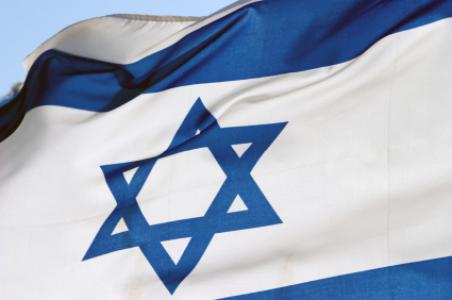
Many Jewish communities in Australia celebrate Yom Ha’Atzmaut, which is Israel’s Independence Day, on the fifth day of the month of Iyar in the Jewish calendar.
Many Christians in Australia observe Pentecost, also known as Whitsunday or Whit Sunday.